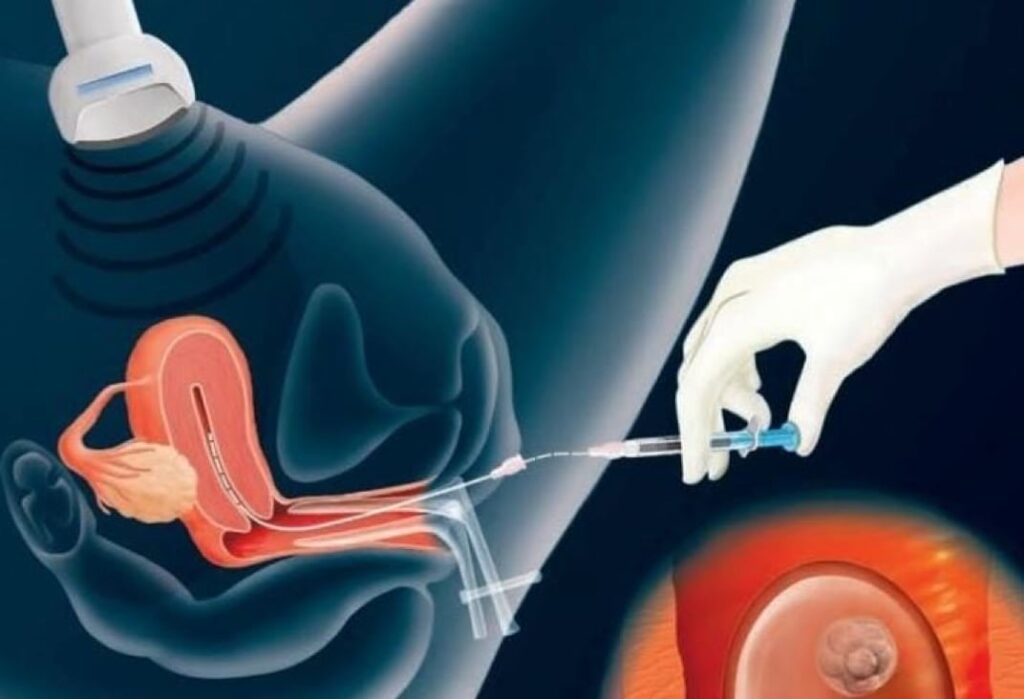
When undergoing IVF (In Vitro Fertilization) in Nigeria, one of the most important decisions couples face is choosing between a fresh embryo transfer and a frozen embryo transfer (FET). Many patients ask:
“Which option gives better success rates in Nigeria?”
This guide explains the difference between frozen vs fresh embryo transfer, compares success rates, costs, benefits, and risks, and helps you understand which option may be better for your situation.
What Is a Fresh Embryo Transfer?
A fresh embryo transfer involves transferring an embryo into the uterus within the same IVF cycle in which the eggs were retrieved and fertilized.
How Fresh Transfer Works
Ovarian stimulation
Egg retrieval
Fertilization in the lab
Embryo transfer within 3–5 days
Fresh transfers are usually done immediately, without freezing the embryos.
What Is a Frozen Embryo Transfer (FET)?
A frozen embryo transfer (FET) involves freezing embryos after fertilization and transferring them in a later cycle, once the woman’s body has fully recovered.
How Frozen Transfer Works
Egg retrieval and fertilization
Embryo freezing (cryopreservation)
Uterine preparation in a later cycle
Thawed embryo transfer
FET is becoming increasingly popular in Nigerian IVF clinics.
Frozen vs Fresh Embryo Transfer: Key Differences
Feature Fresh Transfer Frozen Transfer (FET)
Timing Same IVF cycle Later cycle
Hormonal Environment High stimulation hormones More natural
Risk of OHSS Higher Lower
Scheduling Fixed Flexible
Embryo Survival Immediate use High survival with modern freezing
Cost Lower upfront Slightly higher
Success Rates in Nigeria: Fresh vs Frozen
Fresh Embryo Transfer Success Rate
30% – 45% per transfer
Success may be reduced by high hormone levels after stimulation
Frozen Embryo Transfer Success Rate
40% – 60% per transfer
Often higher due to better uterine conditions
Many Nigerian fertility specialists now favor FET for improved implantation and pregnancy outcomes.
Cost Comparison in Nigeria
Fresh Embryo Transfer Cost
Usually included in standard IVF cycle cost
No freezing or storage fees
Frozen Embryo Transfer Cost
Additional freezing and storage fees
Separate transfer cycle cost
Typically ₦300,000 – ₦800,000 extra, depending on clinic
Although FET may cost more initially, higher success rates can reduce the need for multiple IVF cycles.
Benefits of Fresh Embryo Transfer
Faster time to pregnancy
Lower upfront cost
Suitable for women with good hormone response
Convenient for those wanting immediate transfer
Benefits of Frozen Embryo Transfer (FET)
Better uterine lining preparation
Reduced risk of ovarian hyperstimulation syndrome (OHSS)
Higher success rates in many cases
Allows genetic testing (PGT)
Flexible timing and emotional recovery
Who Is Better Suited for Fresh Transfer?
Fresh embryo transfer may be recommended if:
Hormone levels are normal
Uterine lining is optimal
No risk of OHSS
First IVF attempt
No need for genetic testing
Who Should Consider Frozen Transfer in Nigeria?
Frozen embryo transfer is often advised if:
Hormone levels are very high
Risk of OHSS exists
Uterine lining is not ideal
Previous fresh transfer failed
PGT is planned
Recurrent miscarriage history
Common Myths About Frozen Embryos
Myth: Frozen embryos are weaker
Fact: Modern vitrification techniques ensure over 95% embryo survival rates.
Myth: Frozen embryos reduce baby health
Fact: Babies born from frozen embryos are as healthy as those from fresh transfers.
What Do Nigerian Fertility Doctors Recommend?
Most fertility specialists in Nigeria now take a personalized approach, choosing fresh or frozen transfer based on:
Age
Hormonal response
Medical history
Embryo quality
Previous IVF outcomes
There is no universally “better” option—only what is best for you.
Final Thoughts
When comparing frozen vs fresh embryo transfer in Nigeria, frozen transfer often offers higher success rates and better safety, while fresh transfer offers speed and lower initial cost.
The best decision should be made with your fertility specialist, using your medical data—not general assumptions.
If you’re undergoing IVF in Nigeria, ask your doctor which option maximizes your personal chance of success.