For many Nigerian women pursuing IVF, fibroids present a complex crossroads. With over 50% of Nigerian women estimated to develop fibroids by age 50—and many diagnosed during fertility evaluations—the critical question arises: Should fibroids be removed before starting IVF?
This decision carries significant weight: unaddressed fibroids can jeopardize an expensive IVF cycle, while unnecessary surgery can delay treatment and create new complications. This comprehensive guide, featuring insights from Nigeria’s leading fertility surgeons, breaks down the evidence-based approach to fibroids in your IVF journey.
Understanding Fibroids: More Than Just “Location, Location, Location”
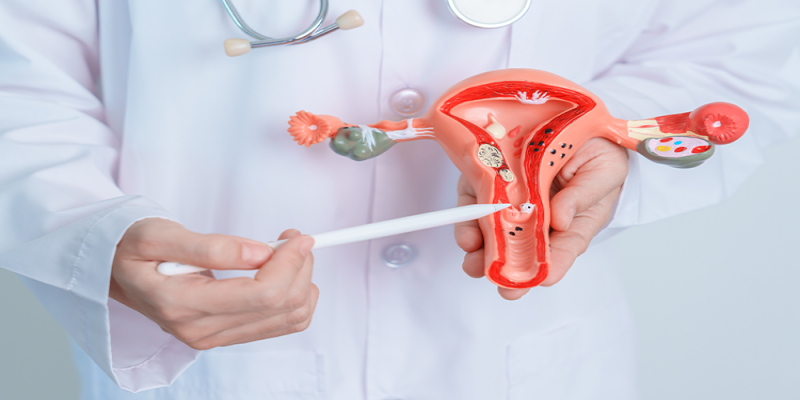
Fibroids (leiomyomas) are non-cancerous growths in the uterus. Their impact on fertility depends on three factors:
1. Type of Fibroid (The Critical Classification)
· Submucosal: Grow inside the uterine cavity. Highest impact on fertility—directly interfere with implantation and embryo development.
· Intramural: Embedded within the uterine wall. Can distort cavity or hinder blood flow depending on size and position.
· Subserosal: Project outside the uterus. Lowest impact on fertility unless very large.
2. Size Matters (But Not Always As You Think)
· <4cm: Often monitored unless submucosal.
· 4-7cm: Individualized approach based on type and symptoms.
· >7cm: Often recommended for removal before IVF due to risk of rapid growth during pregnancy hormones.
3. Number & “Mappability”
Multiple fibroids (common in Nigerian patients) or those creating a severely distorted uterine architecture pose greater challenges.
The Nigerian Reality: Why Fibroids Are So Prevalent
“We see an extraordinarily high prevalence of symptomatic fibroids in Nigerian women starting IVF, often larger and more numerous than in other populations,” notes Prof. Oladapo Ashiru of Medical Art Centre. Contributing factors may include genetic predisposition, dietary patterns, and later childbearing age.
To Remove or Not to Remove? A Decision Framework
This flowchart summarizes the standard clinical approach in Nigerian fertility centers:
Patient with Fibroids Planning IVF
│
▼
Comprehensive Evaluation
(HSG/SIS, 3D Ultrasound, MRI if needed)
│
▼
┌─────────────────┐
│ SUBMUCOSAL │ → REMOVE BEFORE IVF (Hysteroscopic Myomectomy)
│ FIBROID? │
└─────────────────┘
│ No
▼
┌─────────────────┐
│ INTRAMURAL >4cm │ → USUALLY REMOVE if distorting cavity or prior IVF failure
│ distorting cavity?│
└─────────────────┘
│ No
▼
┌─────────────────┐
│ SUBSEROSAL or │ → MONITOR (Rarely need removal unless >7cm or symptomatic)
│ small intramural?│
└─────────────────┘
When Removal is Non-Negotiable: The “Must-Remove” Scenarios
Based on consensus among Nigerian fertility specialists, removal is strongly recommended before IVF if:
1. Submucosal fibroids (any size) – These act like “IUDs,” physically blocking implantation.
2. Fibroids distorting the uterine cavity – As seen on saline infusion sonogram (SIS) or hysteroscopy.
3. Large intramural fibroids (>4-5cm) in women with prior failed IVF cycles with good-quality embryos.
4. Rapidly growing fibroids observed across cycles.
5. Symptomatic fibroids causing heavy bleeding/anemia that would complicate pregnancy.
“For submucosal fibroids, removal improves pregnancy rates from ~30% to ~60%,” states Dr. Funmi Akinola of Nordica Fertility Centre. “This is one of the most impactful interventions we can make.”
When “Watchful Waiting” May Be Appropriate
Removal may be deferred if:
· Small (<4cm) intramural fibroids not distorting the cavity
· Subserosal fibroids (unless exceptionally large)
· In women over 40 where time is critical and fibroids are not cavity-distorting
· For patients with minimal ovarian reserve where surgical delay could be detrimental
Surgical Options in Nigeria: Balancing Efficacy with Safety
Hysteroscopic Myomectomy
· For: Submucosal fibroids
· Procedure: Minimally invasive, through vagina, no abdominal incision
· Recovery: 1-2 days; IVF can proceed after 1-2 menstrual cycles
· Availability: Widely available in major fertility centers in Lagos, Abuja, Port Harcourt
Laparoscopic Myomectomy
· For: Intramural/subserosal fibroids with cavity distortion
· Procedure: Keyhole surgery, 3-4 small incisions
· Recovery: 1-2 weeks; wait 3-6 months before IVF for optimal uterine healing
· Availability: Offered at advanced centers; requires skilled surgeon
Open Abdominal Myomectomy
· For: Very large, numerous, or complex fibroids
· Procedure: Traditional surgery with horizontal (“bikini”) incision
· Recovery: 4-6 weeks; wait 6-12 months before IVF
· Consideration: Higher risk of adhesions that could affect fertility
Surgical Innovation in Nigeria: “We now prioritize minimally invasive techniques and use adhesion barriers to preserve fertility,” says Dr. Ibrahim Wada, a laparoscopic surgeon in Abuja. “The goal is fibroid removal with minimal impact on future pregnancy.”
The Critical Waiting Period: How Long After Surgery Before IVF?
Surgery Type Recommended Wait Before IVF Reason for Waiting
Hysteroscopic 1-2 menstrual cycles Allow endometrial lining to heal fully
Laparoscopic 3-6 months Ensure strong uterine scar healing
Open Myomectomy 6-12 months Complete healing of larger incision
The Nigerian Context: “We balance the need for complete healing with the patient’s biological clock,” explains Dr. Richardson Ajayi of The Bridge Clinic. “For a 42-year-old with small intramural fibroids, we might proceed with IVF sooner than ideal, while a 32-year-old can afford proper healing time.”
Risks of Not Removing Problematic Fibroids Before IVF
1. Implantation Failure: Fibroids can create a hostile uterine environment.
2. Increased Miscarriage Risk: Up to 2x higher with submucosal fibroids.
3. Pregnancy Complications: Preterm labor, placental abruption, fetal growth restriction.
4. Fibroid Growth During Pregnancy: Hormonal changes can cause rapid enlargement and pain.
Risks of Unnecessary Fibroid Surgery Before IVF
1. Surgical Scarring: Can impair implantation in new locations.
2. Adhesion Formation: May block fallopian tubes or distort pelvic anatomy.
3. Weakened Uterine Wall: Risk of uterine rupture during pregnancy (though rare with proper technique).
4. Time Delay: Critical for women with diminished ovarian reserve.
Diagnostic Tools: What Tests Nigerian Clinics Use
To make the right decision, proper imaging is essential:
1. Transvaginal Ultrasound (TVS): First-line; identifies size, number, location.
2. Saline Infusion Sonogram (SIS): Distends uterine cavity to reveal submucosal components. “This simple test changes management in 30% of our patients,” notes Dr. Akinola.
3. Hysteroscopy: Gold standard for diagnosing intracavitary issues; can be both diagnostic and therapeutic.
4. MRI: For complex cases with numerous fibroids to map precisely before surgery.
Cost Considerations in Nigeria
Procedure Estimated Cost Range (NGN) Notes
Diagnostic Tests (TVS, SIS) ₦50,000 – ₦150,000 Often covered in IVF workup packages
Hysteroscopic Myomectomy ₦400,000 – ₦800,000 Day procedure, minimal downtime
Laparoscopic Myomectomy ₦800,000 – ₦1,500,000 Requires general anesthesia, 1-2 night stay
Open Myomectomy ₦600,000 – ₦1,200,000 Longer hospitalization (3-5 days)
Questions to Ask Your Nigerian Fertility Specialist
1. “What specific type and size are my fibroids, and how are they impacting my uterine cavity?”
2. “Based on my age and ovarian reserve, do the benefits of surgery outweigh the risks and delay?”
3. “What is your surgical success rate for preserving fertility and minimizing adhesions?”
4. “If I proceed with IVF without removal, what is our Plan B if implantation fails?”
5. “Can we do a mock embryo transfer to see if fibroids distort the cervical canal or uterine path?”
Real Patient Scenarios from Nigerian Clinics
Case 1: The Clear Candidate for Surgery
Chioma, 35, with 3cm submucosal fibroid.
Decision: Hysteroscopic removal.
Outcome: Successful IVF pregnancy 4 months post-surgery after 2 prior failed transfers.
Case 2: The Borderline Decision
Amina, 38, with 5cm intramural fibroid not distorting cavity but low ovarian reserve.
Decision: Proceed with IVF without surgery.
Outcome: Successful pregnancy with singleton; fibroid grew moderately but without complication.
Case 3: The Complex Case
Bola, 42, with multiple large fibroids and severely distorted cavity.
Decision: Staged laparoscopic myomectomy followed by IVF 8 months later with donor eggs.
Outcome: Successful pregnancy with careful monitoring for uterine integrity.
The Bottom Line: A Personalized Nigerian Approach
“There is no universal answer for Nigerian women with fibroids seeking IVF,” summarizes Prof. Ashiru. “The decision requires:
1. Precise fibroid mapping
2. Honest assessment of reproductive timeline
3. Surgical expertise when needed
4. Clear communication between patient, fertility doctor, and surgeon.”
The optimal path balances the mechanical removal of barriers to implantation with preservation of uterine integrity and timely treatment—especially critical for women facing age-related fertility decline.