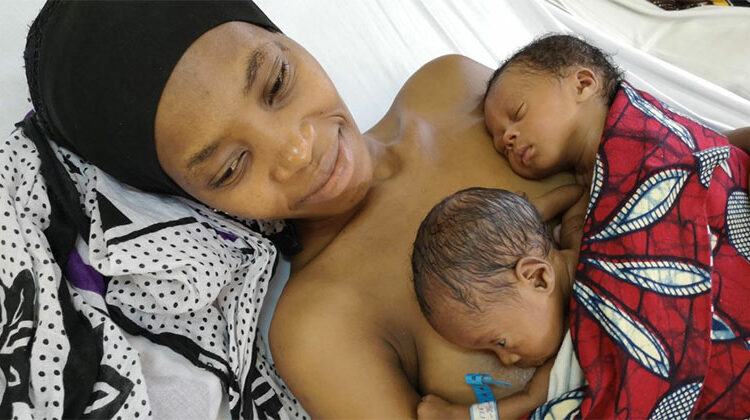
Infertility is a sensitive topic in Nigeria, and unfortunately, misinformation about In Vitro Fertilization (IVF) has caused fear, stigma, and unnecessary delays for many couples seeking help. Nigerian fertility doctors continue to emphasize that IVF is safe, effective, and scientifically proven—yet myths persist.
In this article, we bust the Top 10 IVF myths, using insights commonly shared by licensed Nigerian fertility specialists, to help couples make informed decisions about their reproductive health.
1. Myth: IVF Is Only for Rich People
Truth:
While IVF can be expensive, many fertility clinics in Nigeria now offer flexible payment plans, discounts, and shared-risk programs. Compared to the emotional and financial cost of years of ineffective treatments, IVF can be a cost-effective solution in the long run.
2. Myth: IVF Always Results in Multiple Babies
Truth:
Modern IVF practices allow doctors to transfer a single healthy embryo, significantly reducing the chances of twins or triplets. Nigerian fertility doctors follow international best practices to prioritize safe singleton pregnancies.
3. Myth: IVF Babies Are Not “Natural” or Are Abnormal
Truth:
IVF babies are biologically normal and develop just like naturally conceived children. Millions of healthy IVF children worldwide—including in Nigeria—are living proof that this myth is false.
4. Myth: IVF Is Against God or African Cultural Values
Truth:
Many Nigerian fertility doctors and faith leaders agree that IVF is a medical intervention, just like surgery or medication. IVF does not replace God—it simply supports the natural process of conception using medical science.
5. Myth: IVF Guarantees Pregnancy on the First Attempt
Truth:
IVF success depends on factors such as age, egg quality, sperm health, and underlying medical conditions. While some couples conceive on the first cycle, others may need more than one attempt. Nigerian doctors emphasize realistic expectations and proper counseling.
6. Myth: IVF Is Extremely Painful
Truth:
Most IVF procedures involve minimal discomfort, and pain is well-managed with medication. Egg retrieval is performed under sedation, and embryo transfer is usually painless, according to Nigerian fertility specialists.
7. Myth: Only Women Are Responsible for Infertility
Truth:
Medical data from Nigerian fertility clinics show that male-factor infertility accounts for nearly 40–50% of infertility cases. IVF helps address both male and female fertility challenges.
8. Myth: IVF Causes Cancer or Long-Term Health Problems
Truth:
There is no scientific evidence linking IVF to cancer. Fertility medications are carefully regulated and monitored by specialists to ensure patient safety.
9. Myth: You Must Be Young to Do IVF
Truth:
While age affects fertility, Nigerian fertility doctors successfully help women in their late 30s and 40s conceive using IVF, sometimes with donor eggs when necessary. Age is a factor—but not a disqualifier.
10. Myth: IVF Means You Failed as a Woman or Man
Truth:
Infertility is a medical condition, not a personal failure. Choosing IVF shows courage, responsibility, and a commitment to building a family. Nigerian fertility experts strongly advocate for emotional support and mental wellness during fertility treatment.
Why Accurate IVF Information Matters in Nigeria
IVF myths thrive due to social pressure, cultural beliefs, and lack of medical education. Consulting qualified Nigerian fertility doctors ensures access to accurate information, personalized care, and ethical treatment options.
Final Thoughts
IVF has helped thousands of Nigerian families experience the joy of parenthood. By debunking these myths, fertility doctors across Nigeria continue to empower couples with truth, hope, and medical clarity.
If you’re considering IVF, speak directly with a certified fertility specialist in Nigeria and get facts—not fear.