In Nigeria, where an estimated 1 in 4 couples face fertility challenges, In Vitro Fertilization (IVF) has become a beacon of hope for many seeking to build their families. Yet, despite its growing popularity, the actual process remains shrouded in mystery and misconceptions for many.
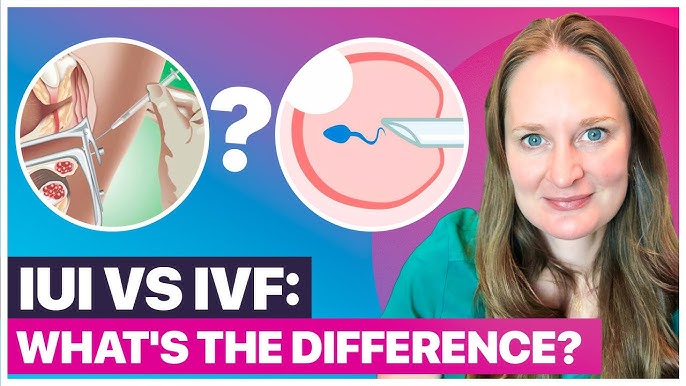
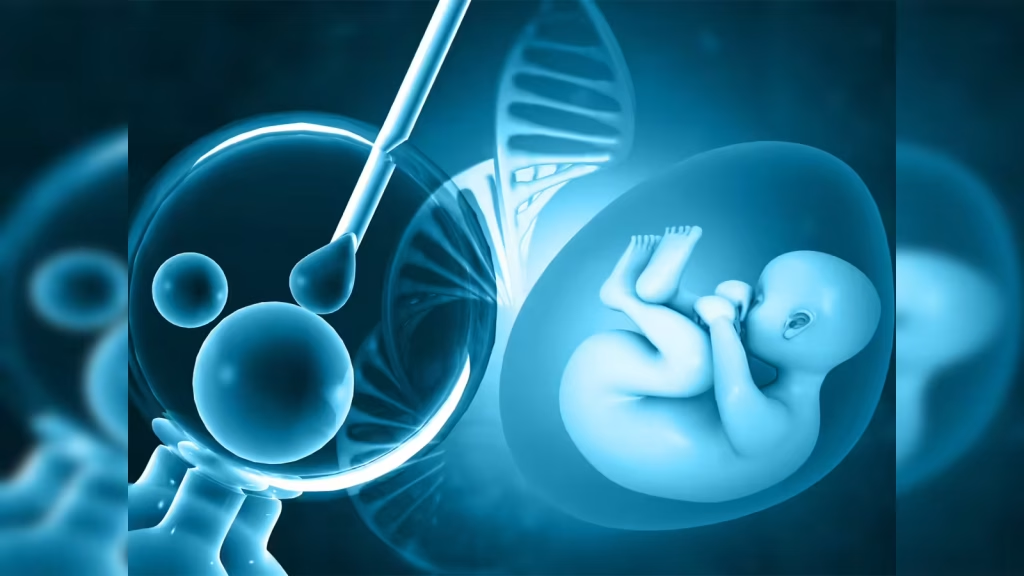
Simply put, IVF is a medical procedure where an egg and sperm are combined outside the body in a laboratory dish (“in vitro” means “in glass”) to create an embryo, which is then transferred into the woman’s uterus. It’s a powerful technology that helps overcome various barriers to natural conception.
For Nigerian couples considering this path, understanding exactly what to expect can transform anxiety into empowered decision-making. This comprehensive guide walks you through the entire IVF journey, step-by-step, within the Nigerian context.
The Complete IVF Journey: 8 Key Steps
Step 1: Initial Consultation & Fertility Assessment (Weeks 1-4)
Your journey begins with a comprehensive medical evaluation at a fertility clinic. “This is not just a formality,” emphasizes Dr. Abayomi Ajayi of Nordica Fertility Centre. “It’s about building a complete picture of your unique situation to create a personalized treatment plan.”
What to Expect:
· Medical History Review: Detailed discussion about both partners’ health, previous pregnancies, surgeries, and duration of infertility.
· Diagnostic Tests:
· For Women: Blood tests (Day 3 FSH, AMH, estradiol), pelvic ultrasound to assess ovaries and uterus, HSG (Hysterosalpingogram) to check fallopian tubes.
· For Men: Semen analysis to evaluate sperm count, motility, and morphology.
· Financial Counseling: A clear breakdown of costs (typically ₦1.5M – ₦3.5M per cycle) and available payment plans.
Nigerian-Specific Insight: Many clinics now offer weekend consultations to accommodate working professionals. Bring all previous medical records to avoid repeating tests.
Step 2: Ovarian Stimulation (Approximately 10-14 Days)
This phase aims to stimulate your ovaries to produce multiple eggs, rather than the single egg released in a natural cycle.
The Process:
1. Birth Control Pills (Sometimes): Used briefly to synchronize your cycle and suppress natural hormones.
2. Fertility Injections: Daily hormone injections (Follicle-Stimulating Hormone) that you or your partner can learn to administer at home.
3. Monitoring: You’ll visit the clinic every 2-3 days for ultrasound scans and blood tests to track follicle growth and hormone levels, adjusting medication as needed.
Managing the Process in Nigeria:
· Clinic Proximity Matters: Choose a clinic within reasonable distance for frequent monitoring visits.
· Medication Storage: Ensure you have reliable electricity/power backup for storing injectable medications that require refrigeration.
· Support System: Involve your partner in the injection process for emotional and practical support.
Step 3: Trigger Shot & Final Maturation
When monitoring shows follicles have reached optimal size (18-22mm), you’ll receive a final “trigger shot” (hCG or Lupron) to precisely time the final maturation of eggs, 36 hours before retrieval.
Timing is Critical: This injection must be administered at the exact time prescribed—set multiple alarms!
Step 4: Egg Retrieval (Day 0)
“This is a minor, 20-30 minute procedure done under light sedation, not general anesthesia,” explains Dr. Ibrahim Wada of Nisa Premier Hospital. You’ll feel no pain during the procedure.
What Happens:
· Guided by ultrasound, a thin needle is passed through the vaginal wall to aspirate fluid from each follicle.
· The fluid is immediately examined by an embryologist to collect the eggs.
· You’ll rest for 1-2 hours before going home with mild cramping.
· Your partner provides a sperm sample on the same morning.
Nigerian Reality: Many women return to work the next day, though some prefer to take 1-2 days off.
Step 5: Fertilization & Embryo Development (Day 1-6)
This is where the “magic” happens in the laboratory:
1. Standard Insemination: Eggs and sperm are placed together in a culture dish.
2. ICSI (Intracytoplasmic Sperm Injection): Used for male factor infertility—a single sperm is injected directly into each mature egg. This adds cost (₦300,000-₦500,000) but is common in Nigerian clinics.
3. Embryo Monitoring: Fertilized eggs (now embryos) are monitored for 3-6 days as they divide and develop into blastocysts (Day 5-6 embryos).
Laboratory Excellence: “The quality of the embryology lab is non-negotiable,” states Prof. Oladapo Ashiru of Medical Art Centre. Ask about your clinic’s lab certifications, air filtration systems, and incubator technology.
Step 6: Embryo Transfer (Day 3, 5, or 6)
A simple, painless procedure similar to a pap smear:
· The best-quality embryo(s) are loaded into a thin catheter.
· Guided by ultrasound, the catheter is passed through the cervix into the uterus.
· The embryo is gently deposited—you might watch on the ultrasound screen.
· The procedure takes about 10 minutes, followed by a brief rest.
Single vs. Double Embryo Transfer in Nigeria: While twins were once common, Single Embryo Transfer (SET) is increasingly recommended to avoid risks of multiple pregnancies. “A healthy singleton is our ultimate goal,” says Dr. Ajayi.
Step 7: The Two-Week Wait & Luteal Phase Support
The 14-day period between transfer and pregnancy test is often the most emotionally challenging.
Medical Support:
· You’ll use progesterone supplements (vaginal gels, injections, or tablets) to support the uterine lining.
· Continue light activity; complete bed rest is outdated and not recommended.
Emotional Support in the Nigerian Context:
· Manage Expectations: Share news selectively—the “village” can add pressure with daily check-ins.
· Distract Yourself: Plan light activities, movies, or short getaways.
· Connect Safely: Consider moderated online support groups for Nigerian IVF patients.
Step 8: Pregnancy Test & Beyond (Day 14+)
· A blood test (beta-hCG) at the clinic provides definitive results—more accurate than home tests.
· If positive, you’ll continue progesterone and have your first ultrasound at 6-7 weeks.
· If negative, you’ll meet with your doctor for a cycle review—a crucial step to plan next moves.
What IVF Is NOT: Busting Common Nigerian Myths
MYTH: IVF babies are “weaker” or different.
FACT: IVF children have the same health outcomes as naturally conceived children.
MYTH: IVF is against all religious beliefs.
FACT: Most mainstream Christian and Islamic scholars in Nigeria permit IVF using husband and wife’s genetic material.
MYTH: The process requires months of hospitalization.
FACT: It’s largely outpatient. Most time is spent at home/work between monitoring visits.
Real Talk: The Emotional & Financial Journey
Emotional Rollercoaster: “IVF tests your resilience, faith, and marriage like few things can,” shares Amaka, an IVF mother from Abuja. Allow yourself to feel hope, anxiety, and disappointment. Consider professional counseling offered by many clinics.
Financial Planning:
· Total Cost Range: ₦1.5M – ₦4M+ depending on medications, ICSI, genetic testing, and clinic tier.
· Payment Plans: Many clinics offer installments or partnerships with financing companies.
· Budget for Multiple Cycles: While hoping for first-time success, financially planning for potential additional cycles reduces stress.
Is IVF Right for You? Common Indications in Nigeria
Consider IVF if you have:
· Blocked or damaged fallopian tubes
· Severe male factor infertility (low count, poor motility)
· Endometriosis
· Unexplained infertility (after 2+ years)
· Advanced maternal age (typically 38+)
· Genetic disorders requiring PGT testing
Your Next Step: Finding the Right Clinic in Nigeria
Research Carefully:
1. Check success rates for your age group (ask for verified data).
2. Verify clinic accreditation
3. Assess laboratory technology (ask about incubators, ICSI availability).
4. Evaluate communication style—you need a team that listens and explains clearly in a language you understand.
5. Consider location—proximity matters for frequent monitoring.
Conclusion: Knowledge is Your First Step Toward Parenthood
The IVF journey is a profound commitment of hope, resources, and faith. For Nigerian couples, it represents both modern medical science and deep cultural longing for family. While the path has challenges, thousands of Nigerian families now exist because of this technology.
“Understanding the process removes the fear of the unknown,” concludes Dr. Wada. “You move from being a passive patient to an active participant in creating your family’s future.”
This article provides general educational information. Please consult with a qualified fertility specialist for personalized medical advice.